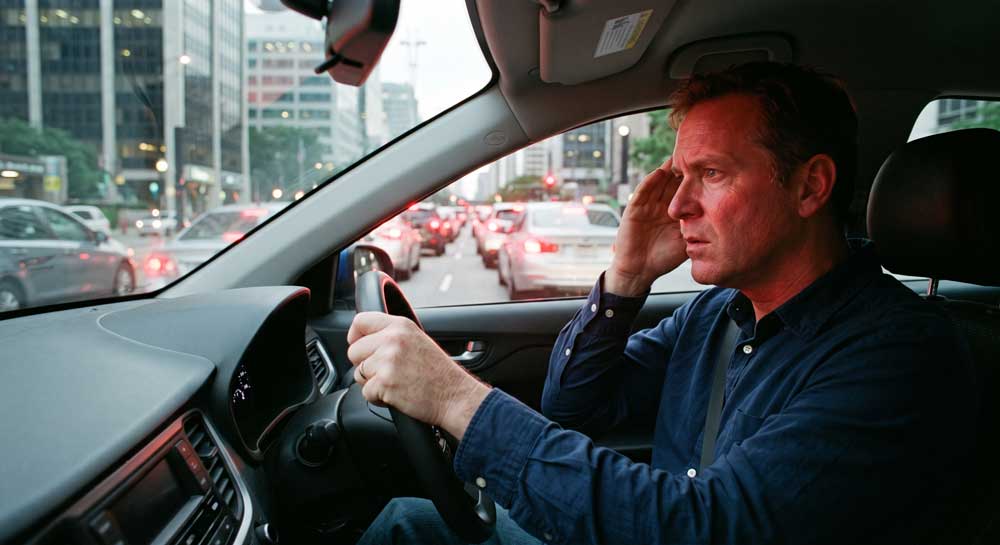
If you are getting behind the wheel with uncontrolled high blood pressure, you are putting more than just your cardiovascular health on the line. Driving requires sharp focus, quick reflexes, and clear vision — all of which can be severely compromised by hypertension.
For the average commuter, high blood pressure can cause dizziness, blurred vision, and delayed reaction times. For commercial drivers, it can literally cost you your career. According to the Department of Transportation (DOT) and the Federal Motor Carrier Safety Administration (FMCSA), strict blood pressure guidelines dictate who is legally allowed to operate commercial vehicles.
Whether you drive an 18-wheeler, commute to an office, or are simply planning a family road trip, understanding the risks of driving with hypertension is critical for your safety and the safety of everyone sharing the road.
The Hidden Dangers of Hypertension Behind the Wheel
High blood pressure (hypertension) is often called the "silent killer" because it frequently has no obvious symptoms. However, when blood pressure spikes to dangerous levels — especially during stressful situations like heavy traffic — it can trigger physical reactions that make driving incredibly dangerous.
- Blurred Vision: Extreme hypertension can damage the blood vessels in the retina (hypertensive retinopathy), leading to sudden blurred vision or temporary loss of sight.
- Dizziness and Vertigo: A sudden spike or a severe drop in blood pressure (often caused by the timing of BP medication) can cause dizziness or fainting spells.
- Fatigue and Brain Fog: Your heart is working overtime to pump blood through stiffened arteries. This chronic cardiovascular strain leads to profound fatigue, drastically slowing your reaction time to sudden braking or road hazards.
💤 This fatigue is often worsened by poor resting habits. Conditions like sleep apnea not only destroy your sleep quality but keep your blood pressure dangerously high during the day — making every drive more hazardous.
Road Rage, Stress, and Blood Pressure Spikes
Traffic jams, aggressive drivers, and running late are universal driving stressors. But if you already have hypertension, these everyday annoyances are biologically dangerous.
When you get angry behind the wheel, your body's "fight or flight" system dumps cortisol and adrenaline into your bloodstream. This causes your heart rate to accelerate and your blood vessels to constrict. Stress and anxiety absolutely go hand-in-hand with hypertension. A sudden stress spike on the highway can push a normally "elevated" reading straight into the hypertensive crisis zone (180/120 mmHg or higher), increasing the immediate risk of a stroke or heart attack while driving.
DOT Blood Pressure Guidelines for Commercial Drivers (CDL)
If you hold a Commercial Driver's License (CDL), managing your blood pressure is a legal requirement. The DOT requires drivers to pass a physical exam, and your blood pressure dictates the length of your medical certification.
According to current FMCSA guidelines, the certifications are broken down as follows:
| Blood Pressure Reading | Hypertension Stage | Certification Granted |
|---|---|---|
| Under 140 / 90 | Normal / Elevated | ✓ 2-Year Certification (Full clearance) |
| 140–159 / 90–99 | Stage 1 | 1-Year Certification |
| 160–179 / 100–109 | Stage 2 | 3-Month Temporary (Must lower BP to renew) |
| 180+ / 110+ | Stage 3 / Crisis | ✗ Disqualified until BP is under 140/90 |
If you fall into Stage 2 or Stage 3, you must work closely with a healthcare provider to lower your numbers through medication and lifestyle changes before you can get back on the road.
Who Is at the Greatest Risk?
While anyone can suffer from high blood pressure, certain demographics need to be especially cautious when planning long drives or daily commutes.
- Senior Drivers: As we age, our arteries naturally stiffen, leading to isolated systolic hypertension (where only the top number is high). Older drivers must take extra precautions when managing their blood pressure.
- Women in Midlife: Hormonal changes during perimenopause and menopause can strip away cardiovascular protections, causing sudden BP spikes. Female drivers experiencing these shifts should monitor their readings closely.
- New Teen Drivers: While rare, pediatric hypertension is on the rise. If your teenager is getting their learner's permit, ensure they are medically cleared before driving.
How to Lower Your Blood Pressure for Safer Driving
You do not have to be at the mercy of your cardiovascular health. Whether you are trying to pass a DOT physical or just want to feel safer on your commute, actionable lifestyle changes make a massive difference.
1. Avoid Truck Stop Diet Traps
Fast food, beef jerky, and salty snacks are road trip staples, but they are disastrous for your arteries. Excessive sodium retains water, forcing your blood pressure up. Swap the junk food for heart-healthy travel snacks such as unsalted almonds, bananas, and pumpkin seeds — all staples of the DASH diet for lowering blood pressure naturally.
2. Move Your Body Before You Drive
Sitting in a car seat for hours causes blood to pool in your lower extremities and stiffens your body. Implementing a 30-minute brisk walk before a long drive can measurably lower your systolic readings for hours afterward. Regular cardiovascular exercise trains your heart to pump more efficiently over time.
3. Rethink Your Travel Methods
If your blood pressure is severely uncontrolled, driving long distances might not be the safest option right now. If you choose to fly instead, be aware that altitude and cabin pressure changes can also affect blood pressure. Weigh your options carefully and discuss with your healthcare provider.
Quick Safety Checklist for Drivers with Hypertension
If you have been diagnosed with high blood pressure, follow these steps before turning the key:
- Take Your Medication on Time: Never skip a dose before a road trip. However, be aware if your medication causes drowsiness and time your driving accordingly.
- Check Your BP Before Leaving: Use a home monitor to ensure your numbers are in a safe range. Our free Blood Pressure Calculator can help you log and classify your reading instantly.
- Stay Hydrated: Dehydration thickens your blood and makes your heart work harder. Drink plenty of water — avoid highly caffeinated energy drinks, which spike blood pressure.
- Take Frequent Breaks: Pull over every two hours to stretch your legs, reduce stress, and promote healthy blood circulation.